
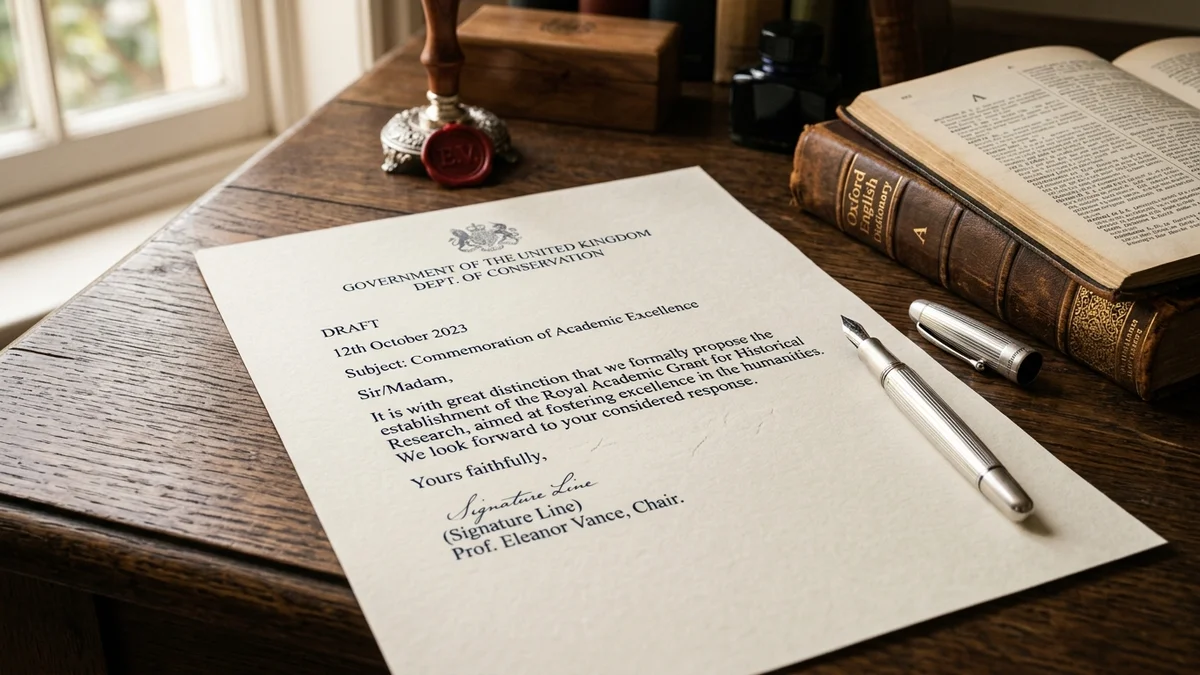
1. Wymogi Formalne i Kryteria Oceny CKE dla Listu Formalnego
Na egzaminie maturalnym na poziomie rozszerzonym wypowiedź pisemna (Zadanie 10) oferuje wybór pomiędzy dwoma tematami. Bardzo często obok tradycyjnej rozprawki pojawia się list formalny (np. list ze skargą, list z zapytaniem ofertowym, list aplikacyjny lub list do redakcji czasopisma). Za poprawnie skomponowany list można zdobyć łącznie 13 punktów:
2. Żelazna Reguła Salutacji i Zakończenia (Faithfully vs Sincerely)
Jednym z najczęstszych powodów obniżenia punktacji za styl i poprawność jest złamanie kanonicznej reguły korespondencji formalnej w języku angielskim:
| Adresat Listu | Formuła Powitalna (Salutation) | Wymagana Formuła Końcowa (Sign-off) |
|---|---|---|
| Osoba nieznana z nazwiska (biuro, dyrekcja, dział obsługi) | Dear Sir or Madam, | Yours faithfully, XYZ |
| Osoba znana z nazwiska (pan Brown, pani Davies) | Dear Mr. Brown, / Dear Ms. Davies, | Yours sincerely, XYZ |
Pamiętaj: po formule powitalnej oraz po formule pożegnalnej w brytyjskiej normie egzaminacyjnej CKE stawiamy przecinek. Zgodnie z zasadami kodowania prac maturalnych, uczeń nigdy nie podpisuje się własnym imieniem i nazwiskiem – podpisem jest zawsze formuła XYZ.
3. Trzy Główne Typy Listów na Maturze Rozszerzonej
Arkusze CKE z ostatnich lat skupiają się na trzech podtypach korespondencji:
📦 List ze skargą (Letter of Complaint)
Wymaga precyzyjnego opisania wadliwego towaru lub rażąco zaniedbanej usługi turystycznej/hotelowej. Kluczowe zwroty: I am writing to express my profound dissatisfaction with..., The service fell far short of my expectations..., I feel entitled to demand a full refund....
ℹ️ List z zapytaniem (Letter of Inquiry)
Dotyczy kursu językowego, wolontariatu lub stażu akademickiego. Kluczowe zwroty: I would be immensely grateful if you could clarify..., Could you please provide further details regarding....
📰 List do redakcji (Letter to the Editor)
Stanowi polemikę z opublikowanym artykułem prasowym. Kluczowe zwroty: I am writing with reference to the article entitled..., While I understand the author's concerns, I cannot subscribe to the view that....
4. Wzorcowy List ze Skargą Oceniony na 13/13 Punktów (224 Słowa)
Dear Sir or Madam,
I am writing to express my profound dissatisfaction with the weekend language workshop organized by your agency in Oxford between 12th and 14th September. Having enrolled in the course with high expectations, I feel compelled to register my disappointment regarding several unacceptable discrepancies.
Firstly, the brochure explicitly promised intensive tutorial sessions conducted by qualified native English instructors. In reality, our group was assigned an inexperienced tutor who lacked pedagogical training and frequently cancelled scheduled discussion panels. Consequently, we were deprived of substantial speaking practice.
Furthermore, the accommodation facilities were completely sub-standard. both was the study hall overcrowded and devoid of audio-visual equipment and there was also no functional internet connectivity throughout the weekend. Despite repeated complaints lodged at the reception desk, no remedial action was undertaken.
Taking into account the aforementioned shortcomings, I feel entitled to claim a reimbursement of 40% of the total participation expenses. Unless I receive an official explanation and financial restitution within two weeks, I will submit a formal complaint to the Educational Services Ombudsman.
I look forward to your prompt response.
Yours faithfully,
XYZ
Komentarz egzaminatora CKE: Praca liczy dokładnie 224 słowa, idealnie mieszcząc się w przedziale 200–250 słów. Zachowano nienaganny, wysoki rejestr formalny (profound dissatisfaction, explicitly promised, deprived of, remedial action). Perfekcyjna kompozycja i pełna symetria formuł powitalnych i pożegnalnych. Ocena: 13/13 punktów (100%).
4b. Wzorcowy List do Redakcji (Letter to the Editor) – Polemika Prasowa CKE (228 Słów)
List do redakcji na maturze rozszerzonej to oficjalna wypowiedź polemiczna (200–250 słów) skierowana do redaktora naczelnego czasopisma lub portalu internetowego. Wymaga powołania się na konkretny artykuł, przedstawienia własnego stanowiska popartego dwoma logicznymi kontrargumentami oraz zaproponowania konstruktywnego rozwiązania w akapicie podsumowującym.
| Funkcja w Liście do Redakcji | Kluczowy Zwrot Formalny (CKE Rejestr B2+/C1) | Zastosowanie w Arkuszu |
|---|---|---|
| Nawiązanie do artykułu | I am writing with reference to the article entitled "..." published in the recent issue of your magazine. | Obowiązkowy element wstępu; wskazuje źródło polemiki. |
| Wyrażenie sprzeciwu | While I appreciate the author's perspective, I feel compelled to challenge the assertion that... | Kulturalne, dyplomatyczne zakwestionowanie tezy autora. |
| Wprowadzenie kontrargumentu | Contrary to what was claimed, empirical research clearly demonstrates that... | Przejście do merytorycznych faktów i statystyk. |
| Podsumowanie i apel | I trust that you will consider publishing this letter to provide your readers with a more balanced viewpoint. | Eleganckie zakończenie z apelem o publikację głosu czytelnika. |
Dear Editor,
I am writing with reference to the article entitled "The End of Human Tutors" published in the latest issue of your magazine. While I appreciate the author's enthusiasm regarding generative artificial intelligence in schooling, I feel compelled to challenge the assertion that digital algorithms will render human language teachers obsolete.
Firstly, the claim that AI software can fully simulate authentic interpersonal communication is fundamentally flawed. Although modern language models are adept at processing syntactic structures, they lack the emotional intelligence and cultural empathy essential for mastering pragmatic conversation. A human educator instinctively identifies psychological barriers, adjusts pedagogical pace, and fosters student confidence in ways no automated platform can replicate.
Furthermore, complete reliance on automated instruction carries severe cognitive risks. Delegating linguistic analysis entirely to machines diminishes students' analytical discipline and critical thinking skills. Traditional classroom discussions encourage peer collaboration and nuanced debate, which are vital components of comprehensive secondary education.
Taking these factors into consideration, I firmly believe that AI should serve merely as an auxiliary tool rather than a comprehensive replacement for qualified teachers. I trust that you will consider publishing this letter to present a more balanced perspective on the future of education.
Yours sincerely,
XYZ
Komentarz egzaminatora CKE: Praca liczy dokładnie 228 słów. Zachowano nienaganny rejestr publicystyczno-formalny (render obsolete, fundamentally flawed, emotional intelligence, cognitive risks, nuanced debate). Zwróć uwagę na formułę powitalną Dear Editor, sparowaną z Yours sincerely, XYZ (redaktor traktowany jako konkretna osoba pełniąca funkcję). Ocena: 13/13 punktów (100%).
5. Krytyczne Błędy Formalne Obniżające Wynik Matury
Analiza sprawozdań OKE wykazuje najczęstsze usterki maturzystów:
📚 Wzbogać słownictwo w liście formalnym: Zobacz zwroty z działu Praca, Usługi i Życie Społeczne w naszym przewodniku: słownictwo do matury z angielskiego: 14 działów tematycznych CKE.